

Inspiration
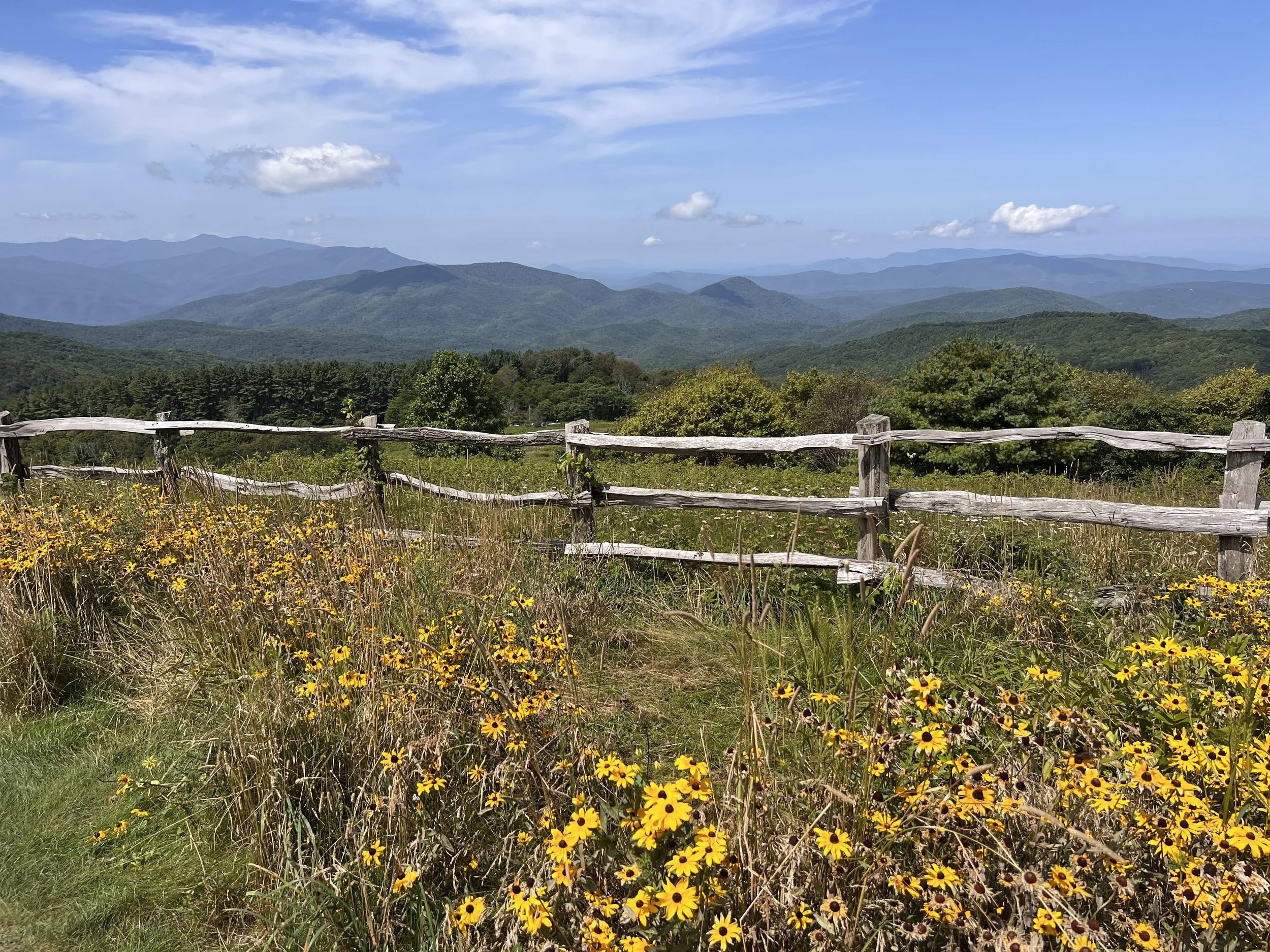
Learning to be present with the uncertainty, grief, and promise that are present within any change is the secret magic that creates transformation.
I explore these themes regularly in my monthly essays.
As you read, I hope you are invited deeper into your own experience and feel less alone in your time of expansion.


The Magic of Naming
It is the naming of a thing that creates a break in the barrier between what is and what could be. Whether we feel fully ready or not, through that break new life comes flowing into our world to shake us up. The change we fear, resist, deny, or dread demands to be seen, spoken to, and contended with.
In the summer of 2019, I found myself reading a book for the first time in a long time.
My 60-hour-a-week job and parenting a 2-year-old, while pregnant with our second child, didn’t leave much space to read for pleasure.
My brain was so full, so noisy. When I tried pulling up even the juiciest mystery to read at night, just looking at a page made me feel irritable and defensive. Like the words were demanding the space, or making the noise, that would finally crack me open. Not in a liberating, let in the beauty and awareness kind of way. In a threatening, everything keeping me manic but alive will spill out kind of way.
Which is why I was surprised to find myself, one afternoon, in our oversized comfy chair, reading. My husband and our toddler were napping. Nap would have typically been my first-choice activity, but I felt restless and hungry for something sleep couldn’t give me.
And then there it was. A book that had been recommended to me years ago, that had sat untouched beside my bed for so long that it had become part of the scenery. Ursula K. LeGuin’s 1968, A Wizard of Eathsea. I reached for that book like the hidden salty snack in the back of the pantry.
As I read, my mind grew quiet and spacious. My body slowed to a steady calm.
The book was about Ged, a young boy who discovers he has magic in him and wishes to make use of it. After some twists and turns, he begins to learn how.
In order to channel the powers inherent in his body, he has to first learn the name of anything in existence that he wishes to transform. This turned out to be far from simple. He couldn’t just say “tree.” He had to know the name of every branch and leaf, every layer of light.
“…to lay a spell of storm or calm over all the ocean, the mage’s spell must say not only the word [ocean] but the name of every stretch and bit and part of the sea through all the archipelago and all the outer reaches…” *
Ged also learns that refusing to call something what it really is, trying to cushion, dampen, or mute the meaning renders the magic useless.
As his teacher explains, our powers become most potent when we can name what we want to happen “exactly and wholly.” **
That’s as far as I got. My little one woke up, the world of Earthsea flew back into the book and I stumbled back into my day.
But this idea took hold inside of me: to work magic, you must name the thing you want to change exactly and wholly.
Magic, shifting or transforming something, bringing new energy, form, and color into the world requires “the true naming of a thing.” ***
I had a career that I had studied, trained, and paid lots of money for. I had invested a decade of my time, energy, focus, and identity into that career. But lately, I had been feeling disoriented and discontent. Images of a different lifewere emerging in my periphery.
For a few years, I had tried not to look anywhere but straight ahead at the task in front of me. I was afraid to see what else might be possible. Afraid to let go of what I knew, what I had planned my entire life around, even if the status quo was so intensely depleting that I was struggling to stay upright.
Burnt out as I was, making a change, transforming the world around me, felt dauntingly difficult and heavy too.
But slowly, feeling anything but powerful, I started to timidly voice the names of the things I wanted to change: twelve-hour days, on call, never enough, confined, absence, exhaustion, trapped, all-nighters, all-consuming, missed moments, drowning, blocked, overwhelmed, dull, missed dinners, missed conversations, numb, restricted, lost weekends, depleted, walls, missed bedtimes, missed life.
As I gained strength, I started to name the fragments of light and color that showed up in my periphery, burning to be brought into existence: rest, stillness, feeling, silence, pleasure, play, homemade meals, walking, trees, reading, children seen-heard-held, husband-seen-heard-held, full night of sleep, alive, swimming, creative freedom, writing, coloring, playgrounds, nourished, stretching, snuggling, done by 5, napping, picnics, enough, midday fresh air, bedtimes, presence.
Once I learned the intricate names of what I wanted to change, understanding their meaning and feeling what they would make possible, new energy flowed into me. The power to make changes small, then big, found me.
We have the ability to work magic in our lives, to gather the power to change or transform a situation, to bring new color and form into our existence. Our change begins when we honor what we feel and know by calling that feeling and knowing by name.
To name something is to claim our knowledge of it.
To name something is to acknowledge that it matters.
When we have a vague sense of discontent or dread and we know that something needs to change but won’t hold still long enough to feel our way toward the specifics of the what or how, we stay stuck.
It is the naming of a thing that creates a break in the barrier between what is and what could be. Whether we feel fully ready or not, through that break new life comes flowing into our world to shake us up. The change we fear, resist, deny, or dread demands to be seen, spoken to, and contended with.
Start small. Learn to name which tasks delight you, which people make you feel less alone, which days were well spent. Learn to notice what feels inviting and what feels cold.
When you find the courage to name what you want, to envision a life that energizes and satisfies what matters most to you, the map falls into your hands and the magic can begin.
*A Wizard of Earthsea by Ursula K LeGuin pg 51
**Ibid, pg 52
***Ibid, pg 50
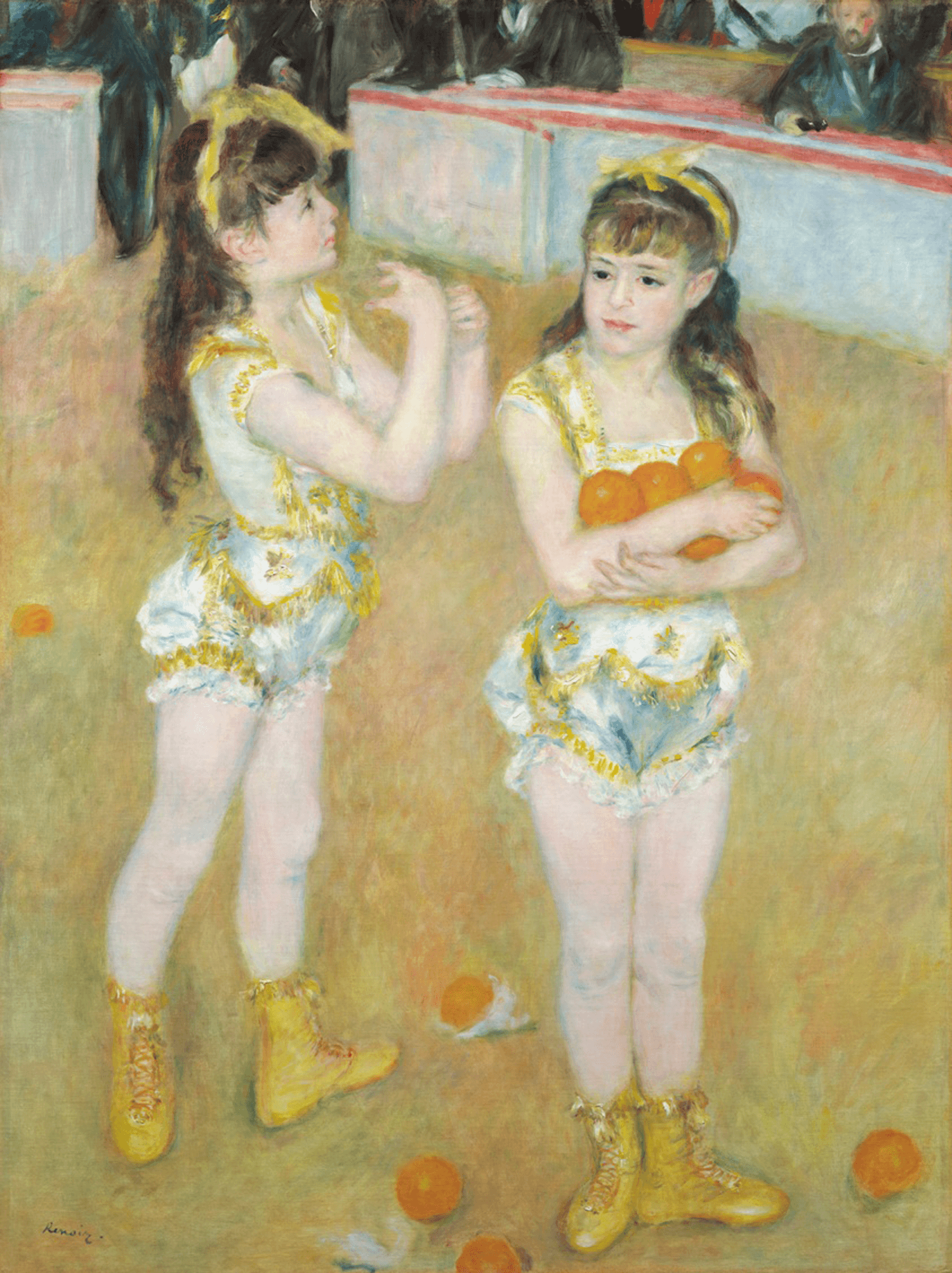
Embodied Living
This separation makes it easy to imagine that the soul is something to keep distinct and safe from the body. A sacred animating force that should not be sullied by the body’s experiences.
A deeper spiritual consciousness to shield from the worldly.
“Imagine when a human dies the soul misses the body…”
-Andrea Gibson from For the Days I Stop Wanting a Body
I remember watching my eldest child run when he was four years old.
There was no hesitation, no holding back.
Every part of him leaned into the speed he wished to conjure, his feet flying out behind him.
Mind and body working as one unwavering blur. What he wanted and what he was doing perfectly aligned.
When I was eight, I went on a field trip to a salt marsh. We were told to wear clothing and shoes we didn’t want to keep. After a hike, the adults told us to jump in and to get as covered in that oozing, abundant, silky mud as we could.
We revealed in the living muck of it, uninhibited, delighted.
A dream from the early days of Eden.
***
The other day, I was listening to a podcast featuring four women of varying gender expressions and sexualities in conversation. They were describing something that happened to each of them around age ten.
It was around then that they stopped fitting seamlessly inside their bodies. Who they were on the inside and on the outside became -- “bisected”-- as they put it.
It was around this age that they realized that the world was looking at their bodies, paying attention to what their bodies could or couldn’t be. Weighing them, measuring them as a means of assessing the worth of the person inside.
One woman said, it was around age ten when something told her: “Now you have two things: you have your self and you have your body and you have to choose which one to protect, which one to preserve.” *
It does seem to happen to all of us to one degree or another. We separate our selves from our bodies.
We’re differently abled and others start to teach us that this is all we are.
Or we’re shown how to play a gender role with strict and punishing limits.
Or we start to notice that, within this new set of rules, our skin color is wrong, our shape is wrong, where we have hair and don’t have hair is wrong.
Or we simply start to discover our body’s sensations and desires and wonder if we’ve become horribly, shamefully, irredeemably depraved.
The body becomes a clumsy, disappointing, dangerous thing. An annoying liability we have to lug around for the rest of our lives.
* Amanda Doyle from ep 257 of We Can Do Hard Things
This separation makes it easy to imagine that the soul is something to keep distinct and safe from the body. A sacred animating force that should not be sullied by the body’s experiences. A deeper spiritual consciousness to shield from the worldly.
But then, at the same time, something in us knows, without a body, we cannot touch or hold what matters most to us.
When I sat next to my grandpa in his final days, we watched Jeopardy and ate chocolate pudding with plastic spoons. There was a hum of florescent lights and muffled conversations between loved ones in other rooms. I held his diary from the year I was born open on my lap and read aloud to him as he dozed off.
On March 12 he wrote about meeting infant me for the first time. “Eve is as pretty as I expected. She is small, being a week old today, but lively. She sleeps a lot. She fusses when she gets hungry but otherwise well behaved, of course.” I reached out to take his hand in mine. When I did, his brow softened, and his breath deepened.
***
On days that are particularly sweet, we heal the distance that opened up when we were bisected. What’s tangible and intangible in us works together. Our outside and our inside mingle and bless one another.
On those days, the body becomes a miraculous spacesuit, allowing the part of us that loves and wonders to breathe as we bounce around our lives feeling and thinking and trying to figure it all out. It does ache and creak and at long last give out.
But before it does, it is precisely this miraculous equipment we arrived in that grants us unmediated access to our own life.
***
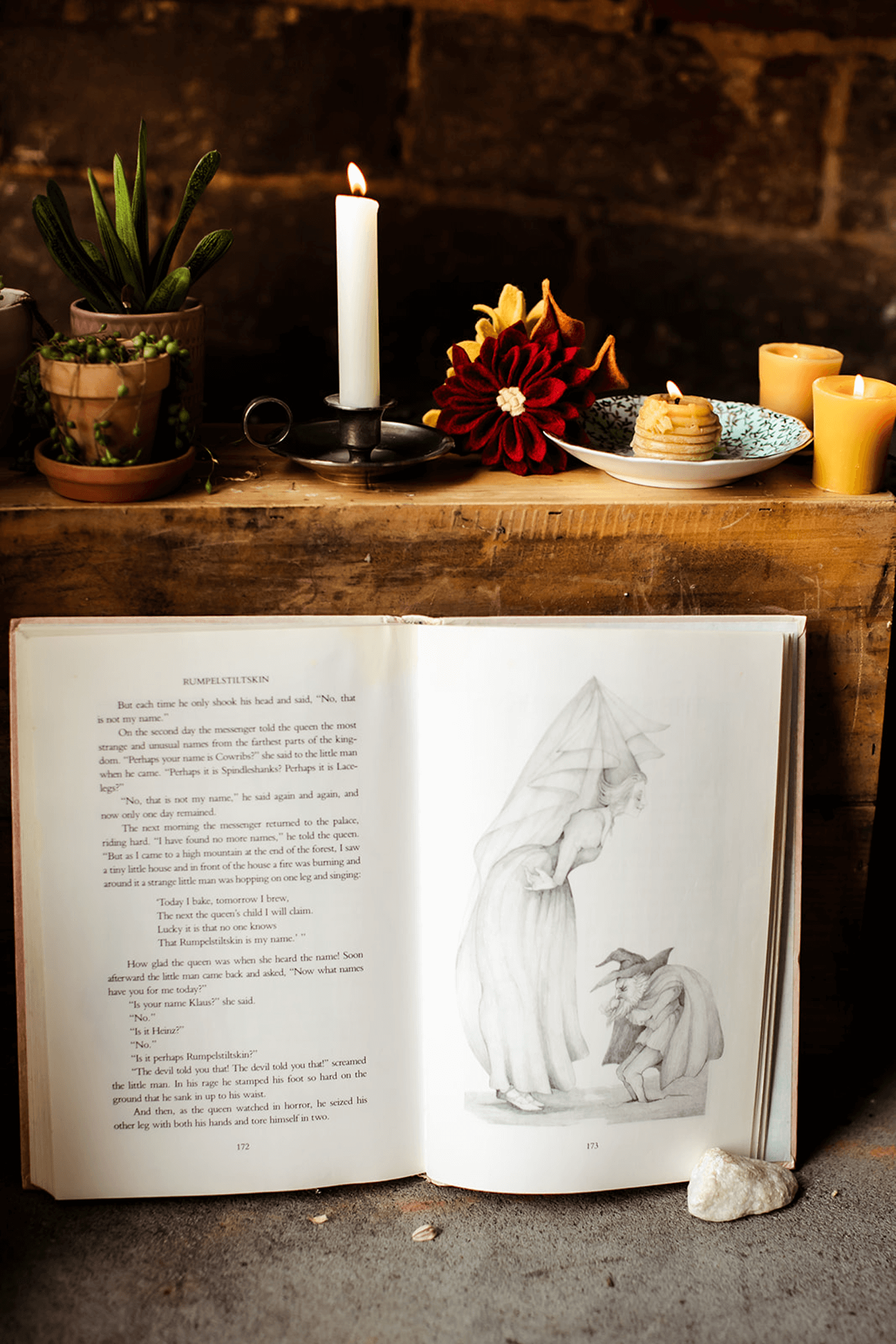
When The Exorcist Meets Rumpelstiltskin
When I forget my access to this power, Perfectionism is one of the things that takes possession of me. I struggle against the restraints but it keeps my movements small and pained. I bargain and beg, make all kinds of deals with it and it promises to “help” me make something shiny for a high price.
When I forget my access to this power, Perfectionism is one of the things that takes possession of me.
I struggle against the restraints but it keeps my movements small and pained.
I bargain and beg, make all kinds of deals with itand it promises to “help” me make something shiny for a high price.
This year is the 50 th anniversary of The Exorcist. When it was released the day after Christmas in 1973, film critic, Roger Ebert called it a film about “the weather of the human soul.”
The film focuses on a young girl who is possessed by a demon. The demon takes away her ability to choose or act, using her life as its own. The work of the Catholic priest who is brought in to perform the exorcism can be boiled down to one critical task: he must get the demon to name itself. Once the demon gives up its name, it can be seen, and known, and driven out.
The miller’s daughter in the German fairytale, Rumpelstiltskin finds herself at the mercy of a mysterious man who demands her first child as payment for his “help” keeping her alive. It’s not until she discovers the mysterious man’s name that he relinquishes his power over her and vanishes from her life.
These stories illuminate the power of naming. Naming implies knowing and knowing-- looking directly at something and calling it what it is-- gives us power.
This power doesn’t just exist in scary movies and fairy tales. It’s always at our fingertips, hidden in plain sight in the folds of our everyday life.
When I forget my access to this power, Perfectionism is one of the things that takes possession of me. I struggle against the restraints but it keeps my movements small and pained. I bargain and beg, make all kinds of deals with it and it promises to “help” me make something shiny for a high price.
Before Perfectionism takes hold of me, creative work is an enlivening warmth between my ribs. Under its terms, creative work feels more like acid reflux.
Then, somehow, I remember. I look directly at the anxiety, the fear of not getting it right, and call Perfectionism by its name.
I feel the synthetic presence that had threatened to turn my insides to mass produced plastic leave my body. I feel relief like explant surgery. I can move around freely inside my inner world again, infused with curiosity and wonder, delighted to see what oddly shaped idea might emerge next.
What holds power over you? What behaviors or beliefs hold you captive in a way of doing things that you don’t remember choosing?
The beliefs, habits, patterns, and relationships that grab our ankles as we attempt to pass, silence our voice when we try to speak, or turn us to stone when we try to change, have power over us.
Like some malicious presence, they want to keep us stagnant in an uncomfortable place whispering in our ear that it’s easier to stay stuck than to shake ourselves free.
Whatever it is that you try to numb, ignore, run away from, it will not call the shots, make your choices, or use your life as its own forever.
Name what is keeping you from feeling fully alive. Looking it directly in the eye gives you power.
Name it and you’ll know what to do next.
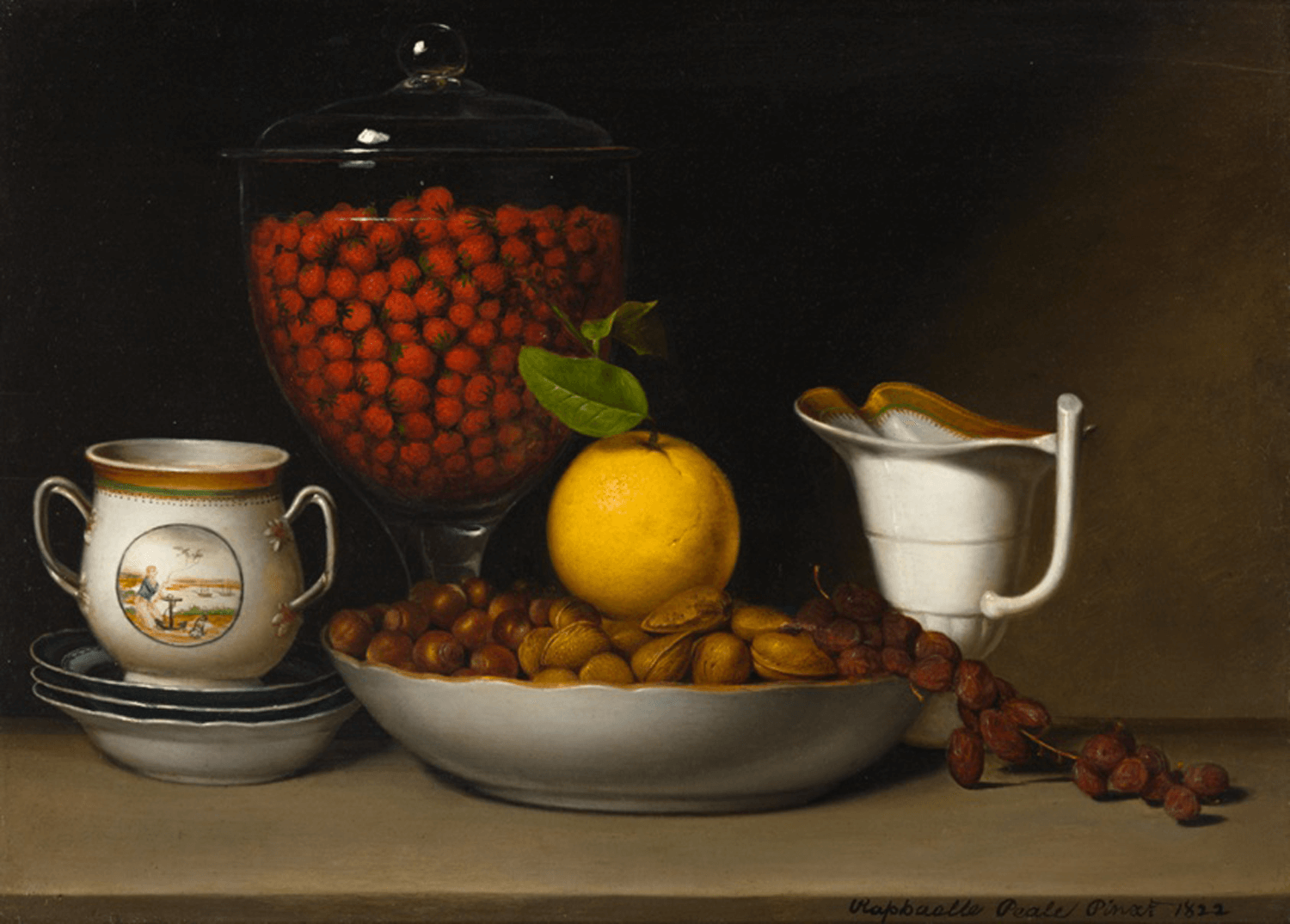
An Ode to the Dark
As the nights grow longer, take some time to enjoy the dark.
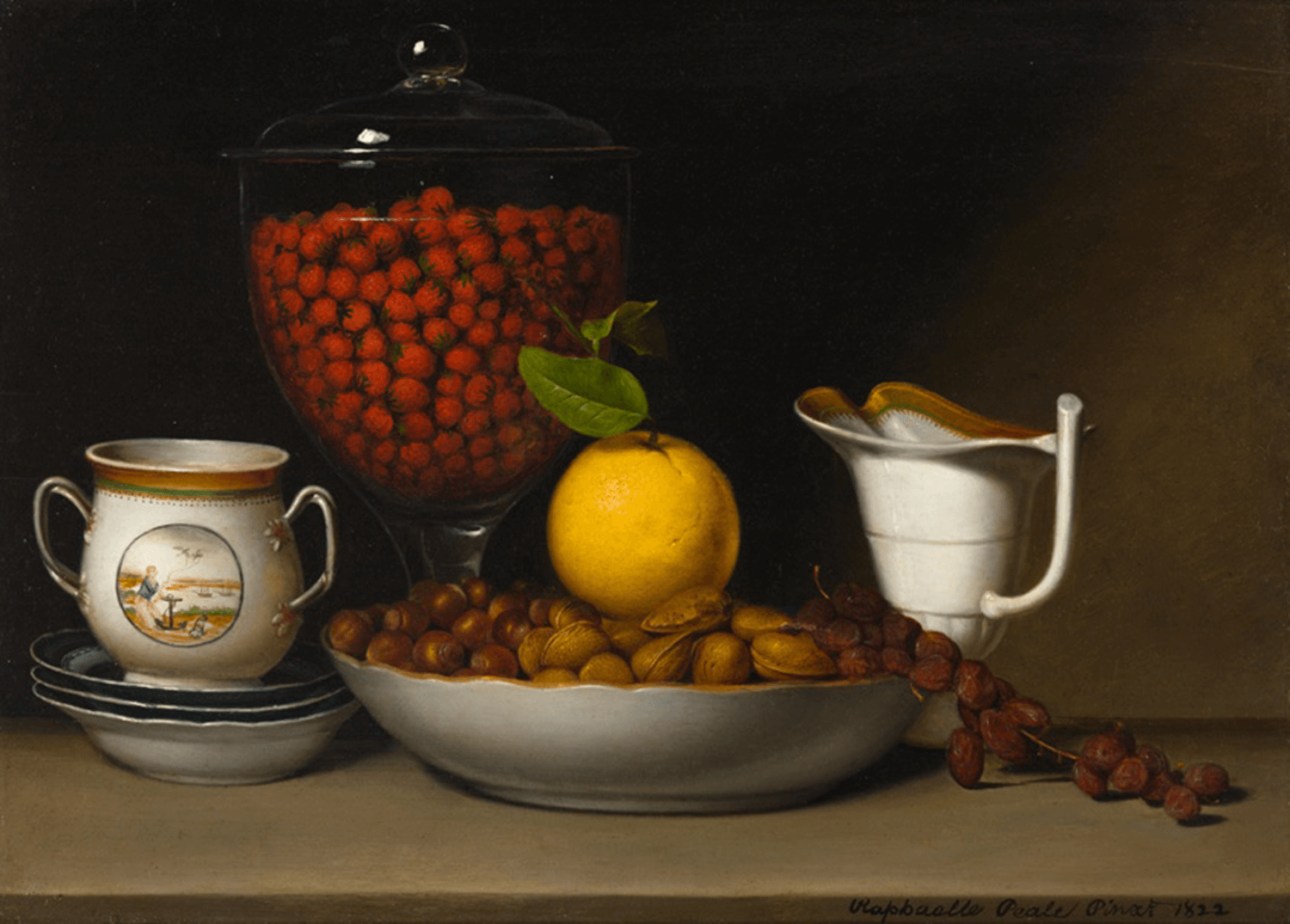
An Ode to the Dark Freshly brewed cups of coffee.
Warmth on palms,
a dark fragrance lifting you out of sleep.
Black birds. Crisp sable shapes lending vibrance to winter skies.
Black soil. Cool to the touch, damp smell of life.
Black licorice. Sweetness cloaked in tang and spice.
Black ink. Midwife of creativity.
Shiny black shoes. You can’t help but move your feet in shiny black shoes.
A breath of shade when heat grips too tight.
The decadence of chocolate cake.
The usefulness of cast iron.
The swirl of shadow from a pencil point.
The scent of cloves.
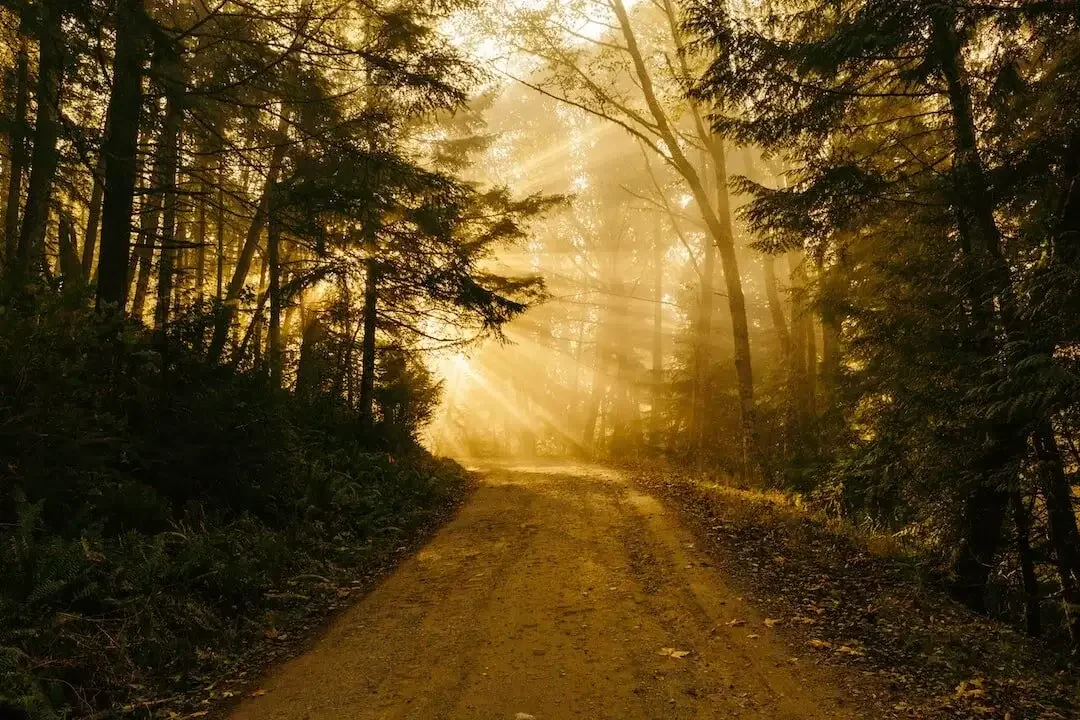
“Into the light of a dark, black night.”
When we’re feeling our way around in the dark, whether we’re ready to trust it or not, whatever appears at our fingertips is an important piece of the puzzle. An important part of how our life will fit together when all is said and done. Even if right now--with no larger picture available for reference--it just looks like an out-of-place, oddly shaped puzzle piece.
– Paul McCartney
I stopped scrolling the other day for a Martha Beck quote:
“In the commerce of the soul, worry can be traded for trust.”
Those words--generous, spine-tingling, and warm-- made me hold still a moment. I’ve been carrying them around ever since.
My life feels pleasantly full and invigorating right now….it’s also riddled with uncertainty.
A loved one has cancer, now a later stage than we’d originally thought.
This has me trying to bend the situation into one I feel good about by grasping for non- existent guarantees.
I am living a life I have chosen, spending long hours in creative play, and accompanying people who are working to grow and change their lives.
This is a beautiful thing… unless it’s a day when I’m petrified of financial ruin and creative failure.
Maybe it’s the same in your life. Wonderful things, except you’ve been longing for a baby and it’s taking an excruciating amount of time and there’s nothing certain about what will happen or when.
Or, you are ready to find someone that you can navigate the rest of your life with but you just can’t control the timing or whether or how you find them.
Or, you’re currently pulled between the dream of divorce and the nightmare of it and neither choice feels like stable ground.
Or you absolutely hate your job, it’s stealing your life away 40 or 70 hours at a time, but what else could you do?
Uncertainty. Not being able to know or control how it’s all going to come out.
I’m all for adventure and spontaneity… unless I’m in the grips of uncertainty. In times like these, I for one would much prefer that my life be more like a novel I’ve read before. Skip the suspense, the twists and turns, the seeming gift that turns into misfortune that then turns back into a gift. I’d like to know, instead, now, how it turns out.
Sometimes I cling to that D.L. Doctorow quote, “driving at night in the fog, you can only see as far as your headlights, but you can make the whole trip that way.” There’s strength in this approach, focusing our energy on the tiny scrap of what we can see, can know.
There’s also something important about turning to look outside the headlight beams to where we can’t see at all. This leaves us in a seemingly suspended state of not knowing. A state in which all we can do is hope, imagine, long for shapes in the distance.
When we’re feeling our way around in the dark, whether we’re ready to trust it or not, whatever appears at our fingertips is an important piece of the puzzle. An important part of how our life will fit together when all is said and done. Even if right now--with no larger picture available for reference--it just looks like an out-of-place, oddly shaped puzzle piece.
In the meantime, how beautiful it would be to let our guard down and relax into the wise words of Adrienne Maree Brown who says that
“nothing is lost, it is lived” * be it relationships, career paths, faiths, time.
* “I can’t stop being in the present” from Fables and Spells by Adrienne Maree Brown
If you’re looking for something to hold onto, some talisman, prayer beads in the dark, so am I.
I’ve been reading Four Thousand Weeks: Time Management for Mortals by Oliver Burkeman. Burkeman tells the real-life story of a man who wants to become a Buddhist monk. The man goes to the Kii Mountains in southern Japan where he is told by the abbot of the Mount Koya monastery that he needs to spend one hundred days alone in an unheated hut purifying himself three times each day with icy cold water.
At first this man tried “to recoil internally from the experience of the freezing water hitting his skin by thinking of something different—or else just trying, through an act of sheer will, not to feel the cold. […]
When it’s so unpleasant to stay focused on present experience, common sense would seem to suggest that mentally absenting yourself from the situation would moderate the pain.” **
However, after one hundred days of this, the monk in training slowly learns that when he stays present in the discomfort, it lessens.
When he didn’t look away but rather looked directly at what he was feeling, it wasn’t pain so much as sensation. Not something to suffer so much as something to experience. An emotionally chaotic, physically uncomfortable, seemingly pointless exercise that unfolded slowly inside of him into insight: don’t run away, stay here. An important part of his story. Not an inconsequential stage of the process to skip over or edit out when telling the tale of how he came to be himself.
A talisman protects you from something harmful. Prayer beads keep you in the present moment and connect you to the something larger that’s holding you. Which makes me think that uncertainty itself is the talisman, is the prayer beads.
When I look at uncertainty directly, roll it between my fingers, feel its contours in the dark, my fear dissipates. Ah yes, I don’t know, I can’t control how this turns out, and I’ve been using all my oxygen to fight against this very realization.
Holding uncertainty close to my heart, I trust that it is itself an important experience. It is teaching me, again, that to find the next piece of the puzzle
I must move by feeling rather than sight.
** Four Thousand Weeks: Time Management for Mortals by Oliver Burkeman pg 102
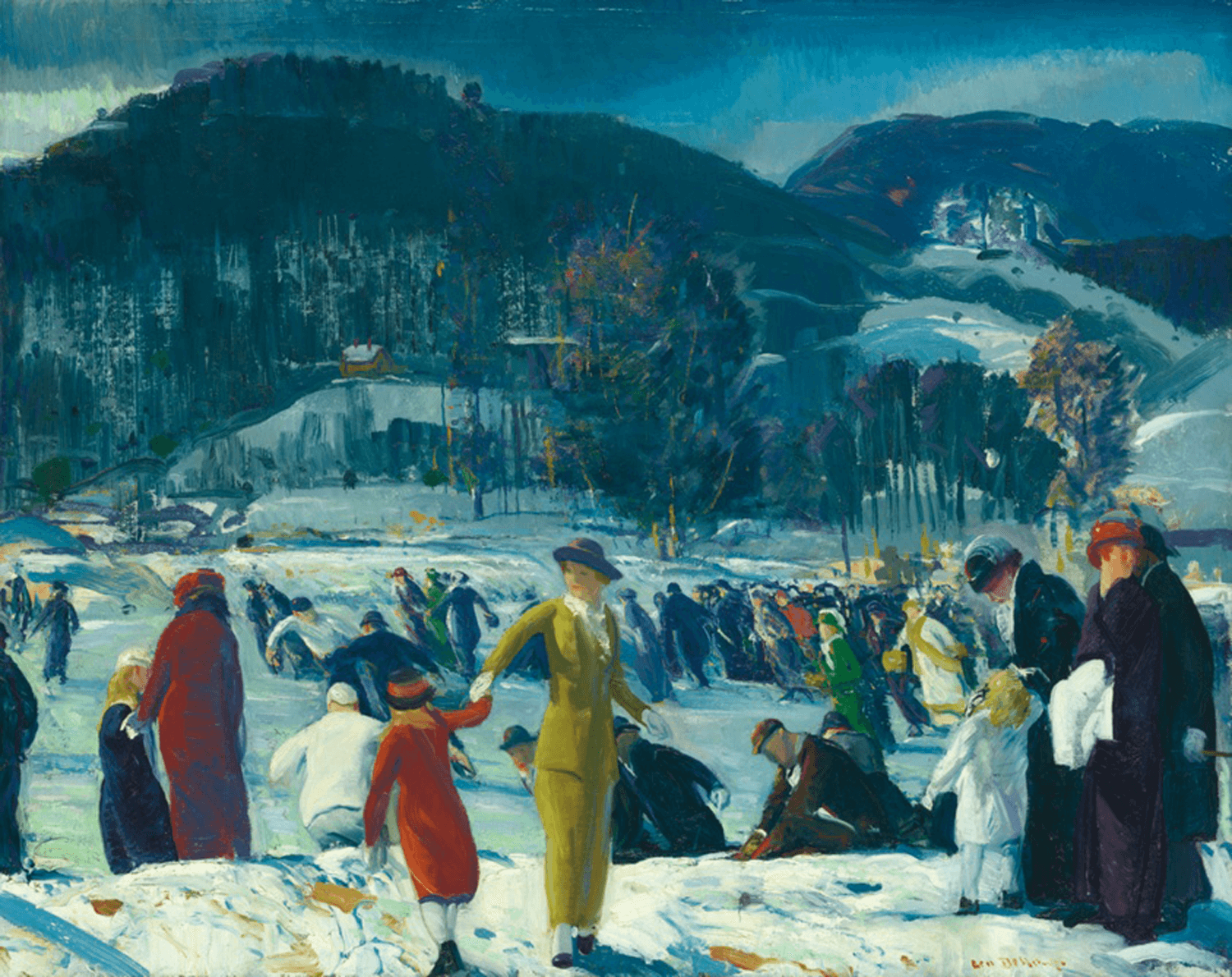
Darkness, let your peace flow through me
In the western imagination, dark and light have been typecast in limited roles, influencing the stories we tell ourselves about the world and each other.
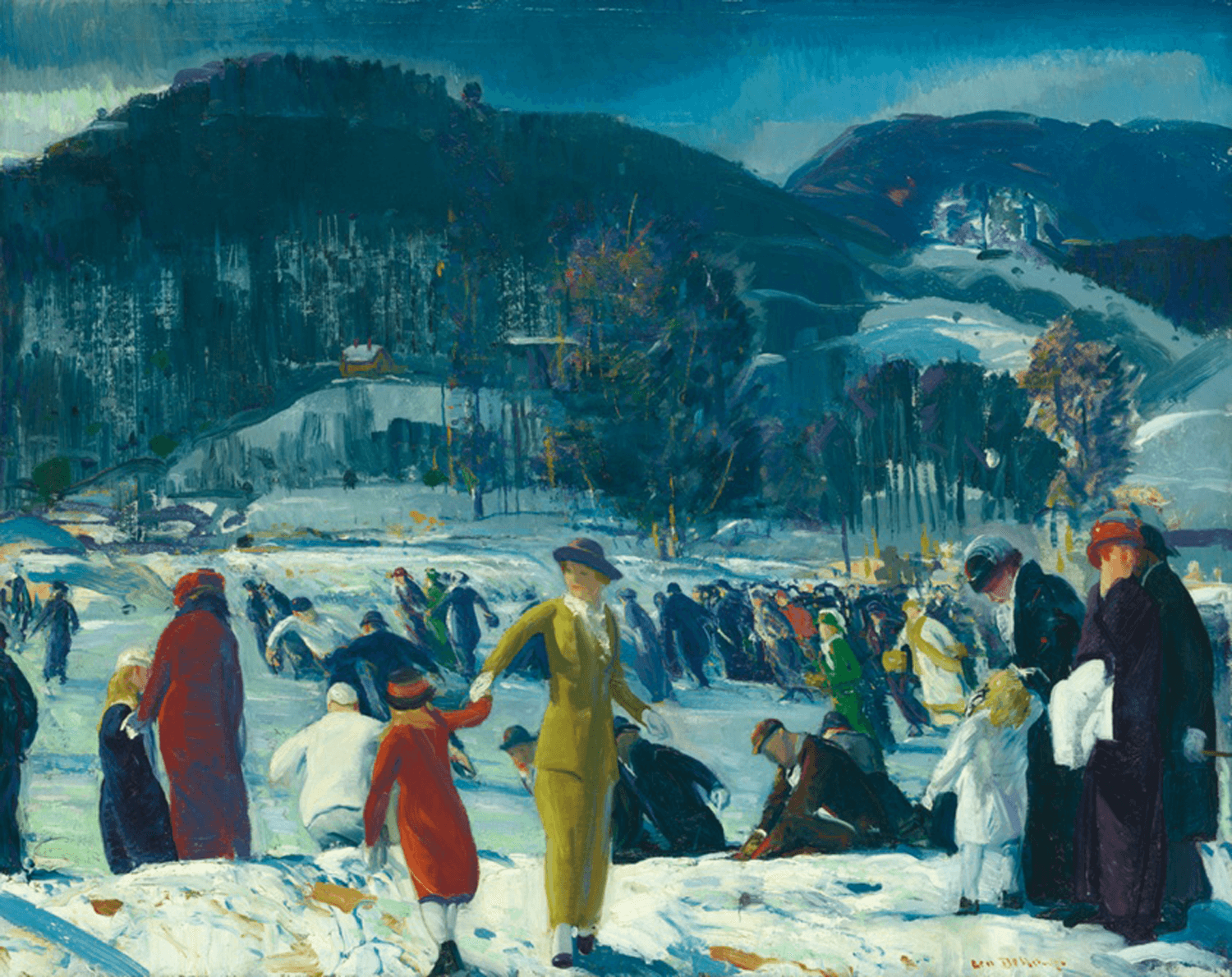
This time of year, I love sitting in our living room in the evening, watching how darkness and light play together, the twinkling of the tree twirling about with the shadows on the wall.
It feels safe and warm but with mystery and excitement still tantalizingly in reach.
It’s the time of year when something ancient in us explores that interplay between darkness and light. The winter solstice sings songs to the longest night of the year while celebrating the coming return of longer days.
Collectively, western culture has portrayed this season not so much as a dance of dark and light, but as a reconsecration of the goodness of light which, in its everlasting glory, casts out dark.
The dark is depicted as the thing to be feared, the thing to be conquered, the thing to be rid of, while the less glorious aspects of lightness go unmentioned. It was hard for me to even think of the less glorious aspects of lightness at first.
The dull buzz of florescent bulbs has a numbing effect, and too much light wipes out the contours, dimension, and texture in a photograph leaving the figures vague and unremarkable. Our eyes throb painfully after staring at the white glow of the work screen for too long. And if something “pales in comparison” it’s a thin, less lively, less convincing, less enjoyable version. The white, sterile surroundings in a hospital make us feel more like numbers than people. Turning white means being drained of life. Storm troopers…
We are most practiced at assigning negative feelings and experiences to the dark, even though, in the course of our own living, light and dark each have their own spectrum of feeling.
While studying the color wheel in school, we learn that the term “high value” means lighter shades of color while the term “low value” means darker shades of color. Someone who taught the color wheel this way for years is Olivia Gude, a high school art teacher in Chicago. She wrote an article called, “Color Lines” * exploring the implications of learning our colors the way we do.
Early in her career, Ms. Gude created all kinds of lesson plans related to the symbolism of dark and light. She wanted to teach her students the shared symbolic language they would need to know in order to interpret the great works of western art: whiteness and light produce a sense of ease.
Blackness and dark are unsettling.
After these lessons, when her students were asked to create a sense of foreboding, or fear, or despair in their work, they drew dark storm clouds, trees heavy with shadow. If they were instructed to depict innocence or hope or beauty they worked in lighter shades, creating streams of whiteness descending from the sky, a golden glow around human figures. This symbolic depiction of dark and light, after much repetition, creates deep grooves in our imagination. Ms. Gude began to recognize that her students were, of course, relying on their individual experiences when they created art, but they were also drawing on the symbolic language she’d taught them, the color palette of the western cultural imagination.
Ms. Gude reflected that “there is a strong tendency for teachers to continue speaking in a language of scientific certainty when discussing the symbolic meaning of colors” which results in “particular color preferences and associations [being] validated in the students’ minds as not merely habitual and customary, but as natural and instinctive.”
* “Color Lines” by Olivia Gude in Learning for Justice, Issue 19, Spring 2001
But colors are not inherently, naturally, tied to meaning. Here in the west, we tend to think of white as associated with weddings, beginnings, purity whereas in parts of China and India white is the color of mourning, of death.
In the western imagination, dark and light have been typecast in limited roles, influencing the stories we tell ourselves about the world and each other.
How color plays out in our actual lived experiences is more complex.
Gude quotes the writer and activist, bell hooks, from her essay, “Homeplace: A Site of Resistance.”**
In this essay, hooks writes about her experience of crossing from “the segregated blackness of [her own] community into a white neighborhood” to visit her grandparents’ house.
She writes, “I remember the fear, being scared to walk to Baba’s, our grandmother’s house, because we would have to pass the terrifying whiteness—those white faces on the porches staring us down with hate.”
She continues, “Oh! That feeling of safety, of arrival, of homecoming when we finally reached the edge of [their] yard, when we could see the soot black face of our grandfather, Daddy Gus, sitting in his chair on the porch, smell his cigar, and rest on his lap. Such a contrast, that feeling of arrival, of homecoming—this sweetness after the bitterness of that journey.”
Breaking through the type casting of darkness and light means seeing what’s unsettling and cruel in lighter shades and looking for beauty and goodness in places we’ve been told not to look. Setting dark and light free to play nuanced and varied roles.
In the words of Shelley Denham:
“Dark of winter, soft and still, ease my mind profoundly. Darkness, soothe my weary eyes, that I may see more clearly. When my heart with sorrow cries, comfort and caress me. Darkness when my fears arise, let your peace flow through me.” ***
** From the collection Yearning: Race, gender, and cultural politics by bell hooks 1990 Boston, MA: South End Press. Chicago
*** Dark of Winter by Shelley Denham in Singing The Living Tradition #55